HVAC Contractor in Kansas City MO: Our Process From Call to Completion
When your air conditioner stops working in Kansas City, the first thing you notice is not the thermostat. It is the heat that creeps in room by room, the way the house starts to feel smaller, and the sudden realization that you have no patience left for vague estimates or “we can get to it sometime next week.”
Over the years, I have learned that the best HVAC repair and installation experiences share a simple trait: clarity. Not just “we’ll fix it,” but clear expectations about what happens when you call, what we check on the first visit, how we explain options, and how we make sure the job is actually finished, not merely started.
Below is the process we follow, from the moment you pick up the phone to the moment the system is operating the way it should. Whether you are looking for AC repair in Kansas City MO, HVAC repair in Kansas City MO, an HVAC contractor in Kansas City MO, AC installation in Kansas City, or AC maintenance in Kansas City, the structure stays the same. We just adjust the details to fit the equipment and the problem.
The call: getting the right information without the guessing
The fastest way to waste time is to show up without enough context, then spend the first hour trying to reconstruct the history of the system. So we start by listening, then asking targeted questions.
If you are calling about AC repair in Kansas City MO, we will usually ask when the problem started, what the thermostat is doing, and whether you have noticed any unusual symptoms. A few common ones, from my experience:
- The AC runs for a few minutes, then shuts off.
- The fan runs but the air is not cooling.
- There is a smell, like dust or something sharper.
- The unit is tripping a breaker or cycling more frequently than normal.
Those details matter because they narrow the search. A unit that is short cycling often points toward something different than a unit with a refrigerant leak pattern or a thermostat wiring issue. The goal is not to diagnose over the phone. The goal is to arrive with a plan, the right tools, and a clear sense of what we need to verify on site.
We also ask about the equipment itself when you know it, such as brand and approximate age, whether it is a single-stage or multi-stage unit, and whether the system is part of a larger setup like heat pump plus backup heat. If you do not know, that is normal. We can confirm it quickly once we are there.
One practical note, especially in summer: if the system is totally dead, we ask whether anything else in the home is affected. Kansas City homes often have multiple circuits, and sometimes the “AC problem” is actually a simple electrical trigger or a blown safety switch. Those are easy to fix, but only if we do not overlook them.
Dispatch and scheduling: setting expectations you can actually use
After the call, the next step is scheduling with realistic timing. People do not just want “soon.” They want a window that helps them plan around the heat.
On our side, we assign the visit based on the service type. A straightforward AC maintenance in Kansas City visit might be scheduled with a different time allotment than a complex HVAC repair. If we anticipate parts may be needed, we plan for that. If we suspect the system needs more diagnostics than a single quick check, we allocate more time.
I will be honest about something that matters in this market. You can have two identical symptoms in two different homes and still end up with very different repair paths. Sometimes it is obvious. Sometimes it takes methodical testing to separate an airflow issue from a refrigeration issue, or an electrical issue from a control issue. Good scheduling accounts for the possibility that troubleshooting takes longer than anyone wants.
When you receive the appointment, we share what to expect when we arrive, and we confirm access to the unit. If the condenser is blocked by landscaping, we ask you to let us know. If it is in a tight backyard spot, we plan accordingly so we do not force shortcuts that lead to mess or avoidable damage.
The first visit: inspection that does not skip the boring stuff
A lot of homeowners assume “inspection” means we look at the thermostat and see what it says. If we did that, we would miss the real story.
The actual work starts with the equipment.
We inspect the indoor and outdoor components, then we verify electrical and safety elements, and we check airflow paths. If the home has ductwork, we evaluate whether airflow is being restricted by something simple like a closed register, a poorly sealed return, or a filter issue that has been ignored too long. That sounds basic, but it is one of the most common reasons systems do not cool well, even when refrigeration components are functioning.
During AC repair in Kansas City MO, one of the first questions we try to answer is: is the problem truly cooling, or is it cooling but not enough because of airflow and heat load?
Airflow problems often look like “the unit is weak.” Refrigeration problems can look like “the air is warm” even when the fan is running. Electrical issues can look like intermittent cycling, tripped breakers, or dead operation. Each category has patterns. We pay attention to those patterns.
We also check:
- Signs of corrosion or damage on the outdoor unit.
- The condition and cleanliness of coils.
- Evidence of abnormal wear, unusual noises, or overheating.
- Thermostat operation and wiring condition.
- Indoor filter condition and whether it matches the system requirements.
If the system is acting up, we do not just “poke around.” We run controlled tests. We verify what is happening while it is operating, not just what happened earlier. This is where a lot of “quick guesses” go wrong. A unit can look fine while idle and fail under load, or it can be partially failing but still producing enough cooling to mask the issue.
Diagnostics: methodical troubleshooting, not a guess-and-hope repair
Diagnostics is where we earn trust. It is also where the job can become complicated quickly, because HVAC is a system. One part fails and the rest of the system reacts.
For example, low refrigerant due to a leak can be mistaken for a failing compressor if you only look at symptoms. Conversely, a compressor that is struggling can cause temperature drops that look “almost okay” until you hit specific airflow conditions. If we treat each symptom as the cause, we end up replacing parts that were not actually the problem.
So we troubleshoot in a way that narrows possibilities. That often includes measuring temperatures, checking operating pressures where appropriate, verifying electrical components, and confirming that airflow is correct for the equipment.
Sometimes the real problem is not a single failed part, but a condition created over time. Improper airflow due to restricted returns, duct leakage, oversized equipment, or poorly installed equipment can cause wear patterns that eventually lead to failures. When that is the case, the repair may fix the symptom, but it might not solve the underlying reason it keeps happening.
This is where we talk with you plainly about trade-offs. A cheaper repair might stop the immediate failure, but if the root cause is ongoing airflow restriction, the system could repeat the same failure in the next season. A better long-term fix might involve duct improvements or an installation correction, even if that is more work up front. Kansas City homeowners appreciate honesty like that, because they have lived through the cost of repeat failures.
Explaining options: the conversation that prevents surprises
Once we understand what is happening, we share results in plain language. You should never leave a service visit feeling like you got a summary instead of an explanation.
We go over:
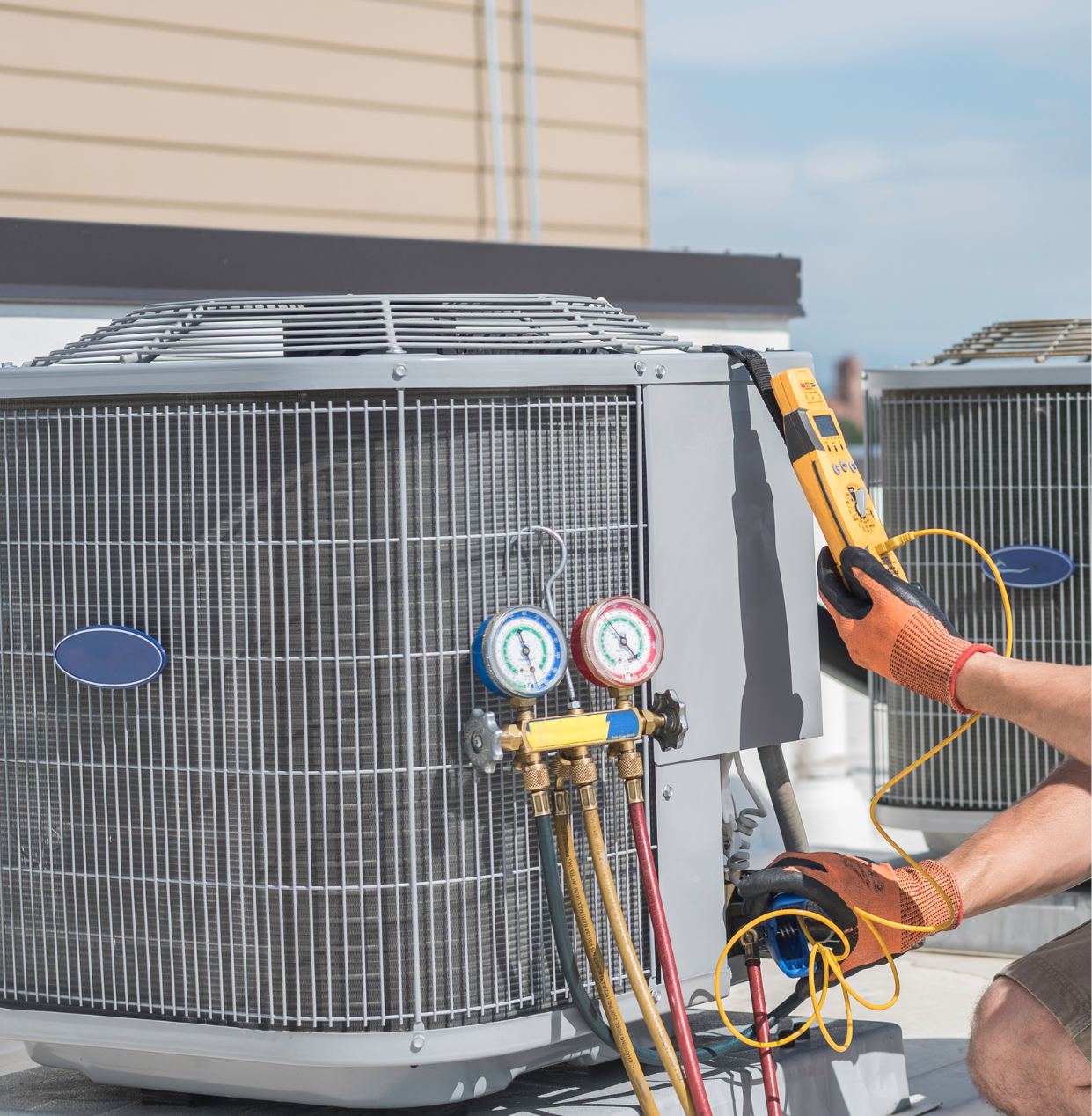
- What we found and what it means for system operation.
- Whether the issue is a repair, a repair plus an adjustment, or a replacement recommendation.
- What parts might be needed and what the risks are if you choose to delay.
- How we think about long-term performance and comfort, not just “getting it running.”
In a repair situation, we also talk about whether the system will continue to perform reliably after the fix. If the equipment is old and close to end of life, we will say so. Some failures are expensive for a reason: a failing component can be the result of years of stress on other parts. Replacing one part might be a temporary relief, while replacement might be the smarter value.
In an AC installation scenario, the evaluation is different. We look at the home’s comfort needs, existing equipment condition, airflow and duct considerations, and installation details that affect performance. In AC installation in Kansas City, the “right size” and “right installation” are not buzzwords. They show up later as stable indoor temperatures, lower cycling, and fewer callbacks.
The repair: clean workmanship and careful follow-through
Once you approve the work, the repair itself should be straightforward and controlled. We do not rush. We respect the property. We also pay attention to details that do not look exciting but prevent problems later.
If the job is an AC repair in Kansas City MO, the repair steps depend on the diagnosis. It could involve components like capacitors, contactors, relays, fan motors, electrical connections, or a refrigeration-related repair with leak testing and proper charging procedures. If the issue touches airflow, we may adjust ducting, confirm proper filter usage, or address issues like a restrictive return.
A big part of “professional” is what happens around the repair. We protect surfaces, manage debris, and verify operation after the fix. When we recheck the system, we are not looking for “it turns on.” We are verifying consistent cooling performance and safe operation under typical runtime.
If a system uses safety controls, we test that the system responds correctly. If a system cycles in a certain pattern, we HVAC Service Near Me observe that pattern after repairs. If the unit had been tripping breakers or cutting out, we verify that it no longer does and that the electrical load appears normal for the setup.
For an HVAC contractor in Kansas City MO, the most honest measure of quality is whether the system behaves normally after the visit. Sometimes that requires letting it run long enough to confirm the result, which means we build enough time into the appointment to finish properly.
The installation path: doing it right the first time
Not every call is for a repair. Some homes are ready for an upgrade, especially when systems have aged out, repeated repairs have become the norm, or comfort issues never fully resolve even after fixes.
In AC installation in Kansas City, we treat the installation as part mechanical and part engineering. The equipment has to match the home, and the system has to be built to deliver that match reliably.
The process usually starts with an assessment. We look at the home’s current comfort, indoor temperature swings, humidity behavior, and airflow patterns. We also inspect the existing setup. Is the ductwork suitable? Are there signs of poor insulation or air sealing? Is the blower sized appropriately? Even a perfectly chosen unit can underperform if installation details are wrong.
Then comes the equipment selection. We discuss options so you understand what you are buying. Some homes benefit from higher efficiency or different staging capability. Others need the most practical approach because of budget or because the rest of the system is the constraint.
Finally, installation details matter: refrigerant line routing, electrical setup, condensate drainage, airflow adjustments, and verifying operation afterward. We do not call a job “done” until the system reaches stable, expected performance and the thermostat behavior looks correct in a real-world cycle.
Where AC maintenance fits: preventing the next failure
AC maintenance in Kansas City is not just about cleaning. It is about reducing the odds of a seasonal breakdown and keeping the system operating as designed.
When maintenance is done well, it catches issues early, before they turn into expensive repairs. It also keeps comfort consistent. Many homeowners only notice problems when the system has already degraded. Maintenance helps you notice problems when they are still minor.
A typical maintenance visit in our process focuses on verification and adjustment, such as checking airflow conditions, inspecting key components, and confirming that the system’s operating behavior looks stable. We also look at common wear points, like filter conditions and coil cleanliness, because those directly affect cooling performance and system stress.
If you have ever had a unit “cool fine” until it suddenly does not, that is often what delayed maintenance leads to. The system can tolerate a lot for a while, then it crosses a threshold and you feel it immediately.
Payment, warranty, and documentation: clarity on what you’re covered for
Professional HVAC work should come with a clear paper trail. That includes what was found, what was repaired or replaced, and any warranty details for parts and labor where applicable.
We provide a summary after the visit. It includes:
- What the diagnosis indicated.
- What work was performed.
- Any recommendations for follow-up or future service.
If a repair includes parts that have warranty coverage, we make sure you understand how that warranty applies. If an installation involves longer-term coverage, we explain what to keep and how to handle a future service claim if needed.
A good warranty is only useful if you know what it covers and how the process works. Nobody wants to dig through paperwork during a mid-summer emergency.
Your safety and comfort: managing the “small details” that matter most
During service, we treat your home like it matters. That includes safety around electrical components, managing refrigerant-related concerns appropriately, and ensuring that the system runs safely after the work is complete.
It also includes comfort. Kansas City air conditioning is as much about indoor feel as it is about temperature on a thermostat. Humidity control, air distribution, and consistent cycling all contribute to comfort. If the system runs but the house feels clammy, it is not “fine,” it is not performing.
If we find that your comfort issue is coming from a mismatch between equipment performance and home conditions, we talk through realistic options. Sometimes the best fix is a repair. Sometimes it is an airflow correction. Sometimes it is a replacement. The “right” answer depends on the actual facts in your home, not a generic script.
What you should do before we arrive
You do not have to prepare your entire weekend, but a few small actions help the visit go faster and more smoothly.
Here is what helps most homeowners:
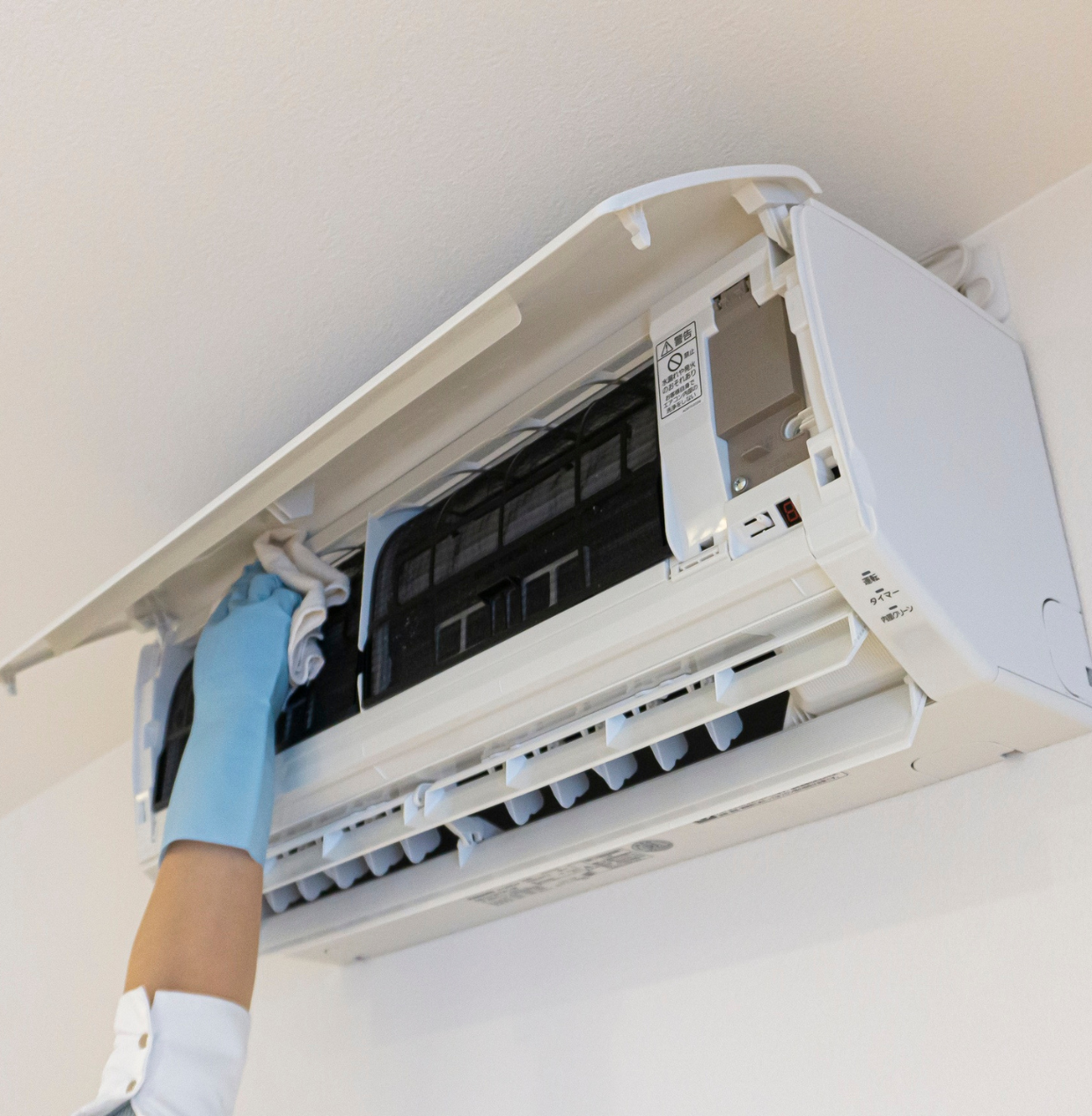
- Make sure we have clear access to the indoor unit and the outdoor condenser area.
- Replace or install the correct air filter before the visit if you already know the system’s filter requirements.
- Let us know if the thermostat is behaving oddly, for example flashing codes or refusing to call for cooling.
- Tell us about any recent electrical events, like breaker trips or power interruptions.
- Share any prior service history you have, including repairs you paid for or parts that were replaced.
If you do not have any service history, no problem. We can still work from current symptoms and field testing. The goal is simply to reduce unnecessary back-and-forth.
Common scenarios in Kansas City homes, and how we handle them
Every season brings the same themes with different details. Here are a few situations that show up often, along with the thinking behind how we approach them.
The AC runs but does not cool enough
When this happens, we focus on airflow and heat load before assuming refrigeration failure. A dirty filter, a blocked return, a blower motor issue, or duct leakage can reduce the system’s ability to pull heat out of the house. Refrigeration problems can also cause weak cooling, but the approach is to verify rather than guess.
Once we confirm the cause, we choose the fix that restores correct system performance. If duct conditions are contributing, we discuss how much repair is enough versus how much improvement is needed for real comfort.
The unit short cycles or trips
Short cycling is often about a safety limit, airflow, or electrical stability. If the unit turns on and off too quickly, it can protect itself, but that means the home never reaches stable comfort.
We check for blocked airflow conditions, electrical issues at contactors or controls, and heat exchanger coil behavior. If a component failure is present, we recommend repair or replacement based on the system’s overall condition.
The system is dead when you call
When there is no cooling and the system seems totally unresponsive, we start with what power and safety controls are doing. Some situations involve thermostat calls not reaching the equipment properly. Others involve protection switches or breaker issues.
It is easy to get frustrated here. The system is not doing anything, and that feels urgent, but a controlled troubleshooting approach keeps the fix accurate and prevents unnecessary parts swapping.
Comfort is inconsistent across rooms
Some Kansas City homes have uneven temperature distribution. Often that points to duct design or air balancing issues. A replacement can help, but it is not always the right first move if airflow distribution is the limiting factor.
We treat comfort issues as a system problem. Sometimes we can improve comfort through adjustments and repairs that restore airflow patterns, even without replacing the entire unit immediately. Other times, the equipment is too mismatched to the home to overcome distribution limitations without larger changes.
What happens after the job: follow-up and “prove it” checks
A professional contractor does not disappear after the system starts. The final stage is verification and communication.
Before we leave, we run the system through normal behavior as much as the conditions allow, and we verify that it is operating the way we expect after the repair or installation. If there are airflow or temperature targets you should expect, we set expectations so you can tell the difference between normal performance and a developing issue.
We also explain what to monitor. Sometimes that is as simple as checking that the thermostat responds correctly. Sometimes it is a recommendation about filters or minor adjustments. The point is to keep the system stable after the visit, not just temporarily running.
A quick note on trust: why our process is designed to be explainable
HVAC work can feel mysterious because it involves invisible heat transfer, pressures, and control logic. The temptation is to hide behind technical language. We do not.
The process we follow is explainable because the goal is not to impress you with jargon. The goal is to make sure you understand what is happening and why we recommend what we recommend.
If you call for HVAC repair in Kansas City MO, you should leave with a clear story. If you are planning AC installation in Kansas City, you should leave knowing what choices were made and why they fit your home. If you want to prevent problems, AC maintenance in Kansas City should feel like proactive management, not an unpredictable mystery visit.
Two questions to ask any HVAC contractor in Kansas City
If you are still comparing options, ask these. They do not require a technical background, but they reveal whether a contractor works with a real process.
- “How do you diagnose the problem before replacing parts?”
- “What do you check after the repair or installation to confirm performance?”
The answers will quickly show whether you are dealing with careful troubleshooting and follow-through, or whether you are stepping into a trial-and-error repair approach.
The call to completion timeline, in practical terms
Every home and every failure is different, so no one can promise a single universal timeline. Still, a well-run service flow usually has recognizable steps: the call, scheduling, inspection, diagnostics, approval, repair or installation, verification, and documentation.
When things are straightforward, the time from first diagnosis to completed repair can be relatively quick. When parts are required or conditions are more complex, it takes more time, and that is normal. What matters is that the process stays tight and communicative, so you are not stuck in uncertainty.
If you want a dependable HVAC contractor in Kansas City MO, the best sign is how the first visit feels. You should feel like the contractor understood what to look for, explained what they found, and respected your time. The work itself is the outcome, but the process is how you prevent the next emergency.
If your AC is acting up or you are planning ahead for the season, we are ready to walk through the issue step by step, from the call to completion.
All 4 One Heating & Cooling
5828 Woodland Ave, Kansas City, MO 64110, United States
816-699-8366
[email protected]
Website: https://all4onekc.com/